Why Korean Restaurants Are Thriving in London (2026): A Business Expert’s Perspective
From a London entrepreneur and investor’s viewpoint.
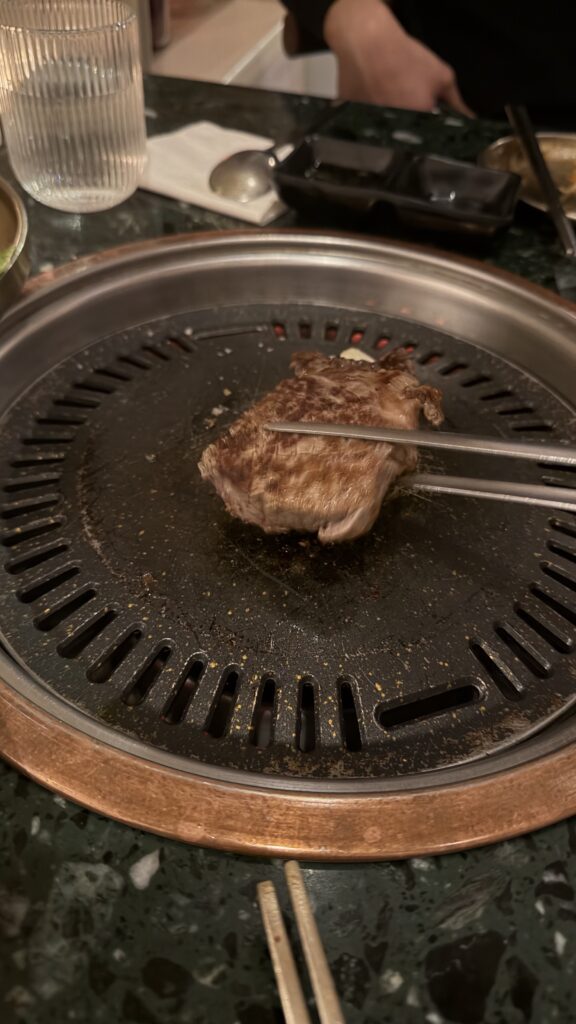
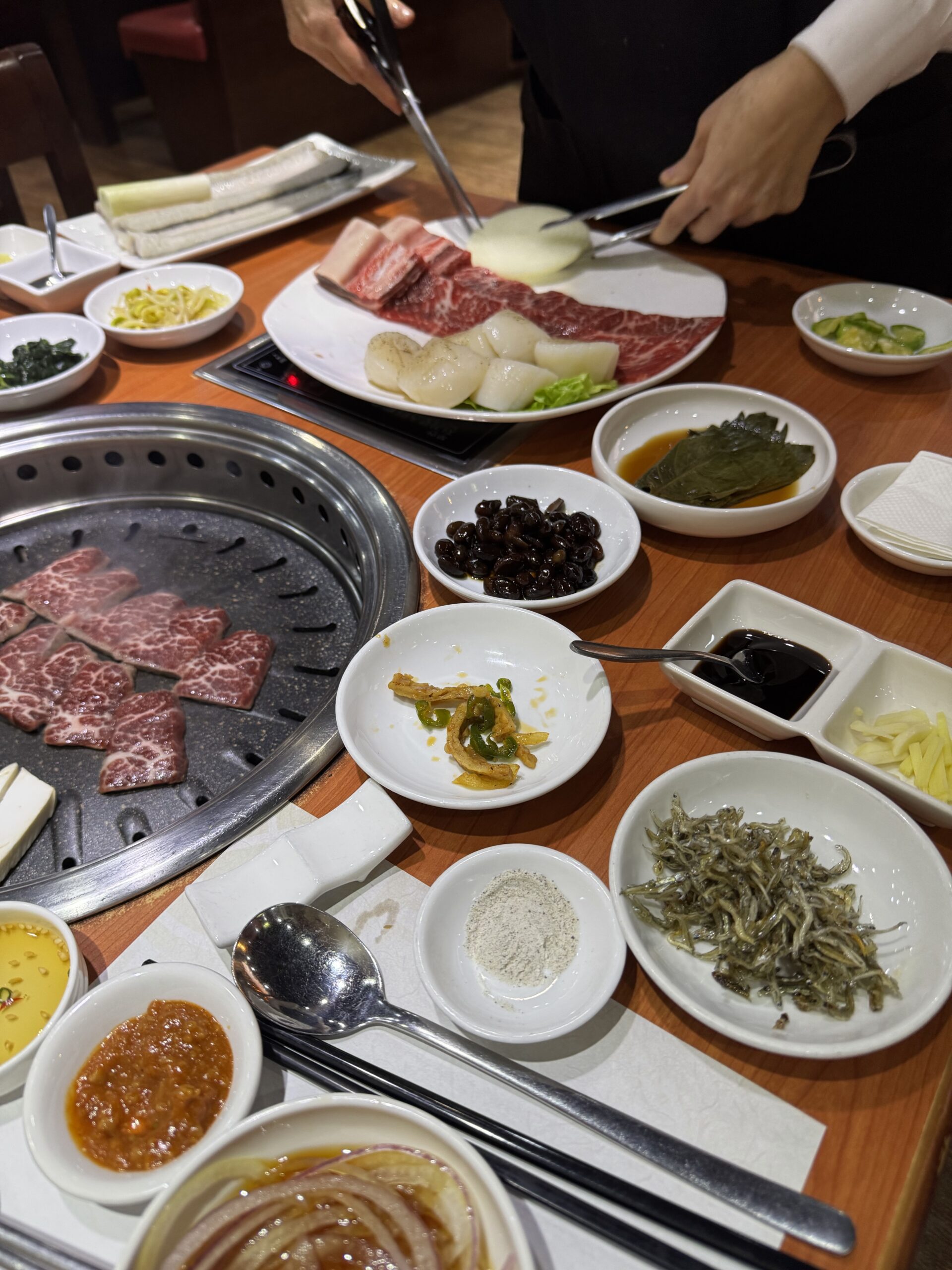
Korean food is no longer a niche cuisine in London.
Ten years ago, most Korean restaurants relied heavily on the Korean community. Today, the customer base has completely changed. British diners, tourists, students and K-culture fans are driving demand, turning Korean cuisine into one of the fastest-growing food categories in the UK. Waitrose has reported rising demand for Korean ingredients such as gochujang and kimchi, while Korean fried chicken has become one of the UK’s most popular takeaway categories.
As someone who has built businesses in London, I believe we are only at the beginning of this growth.
The Korean Food Market Has Entered a New Phase
The biggest change is that people are no longer searching for “Korean food.”
They are searching for:
- Korean Fried Chicken
- Korean BBQ
- Tteokbokki
- Kimbap
- Bibimbap
- Korean Corn Dogs
- Kimchi
Consumers now recognise individual Korean dishes rather than Korean cuisine as a whole. This is a sign that the market has matured. Industry trend reports also show Korean flavours moving into mainstream fast-casual dining across the UK.
The Biggest Opportunity Is Not Fine Dining
Many entrepreneurs assume opening a premium Korean restaurant is the best strategy.
I disagree.
Premium Korean restaurants require:
- Highly skilled chefs
- Expensive rent
- Large kitchens
- Long preparation times
- High labour costs
Instead, I believe the strongest opportunity lies in fast-casual Korean dining.
Think of a concept combining:
- Korean Fried Chicken
- Fresh Kimbap
- Tteokbokki
- Ramyeon
- Korean drinks
- Modern desserts
Simple operations.
High customer turnover.
Strong takeaway sales.
Easy to scale.
Why Korean Fried Chicken Is Winning
If I had to invest in only one Korean food category today, it would be Korean Fried Chicken.
Why?
Because it appeals to almost everyone.
Children love it.
Students love it.
Families order it.
Office workers buy it for lunch.
Tourists recognise it from Netflix and K-dramas.
The Guardian recently highlighted Korean fried chicken as one of the defining Korean dishes driving Britain’s growing interest in Korean cuisine.
The Problem With Many Korean Restaurants
Most independent Korean restaurants still operate like family businesses.
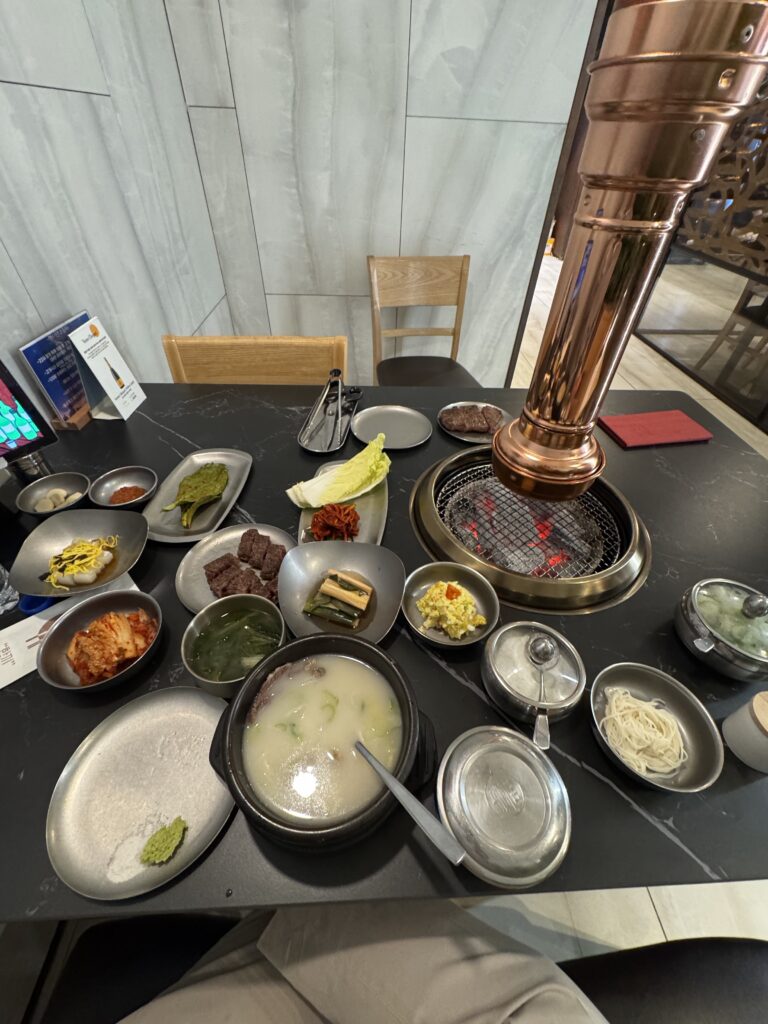
Their menus often contain:
- 80–120 dishes
- Too many ingredients
- Slow preparation
- High food waste
- Difficult staff training
That model becomes almost impossible to franchise.
Successful restaurant brands don’t win because they have the largest menus.
They win because they have repeatable systems.
The Future Is Branding, Not Just Cooking
Customers don’t simply buy food anymore.
They buy experiences.
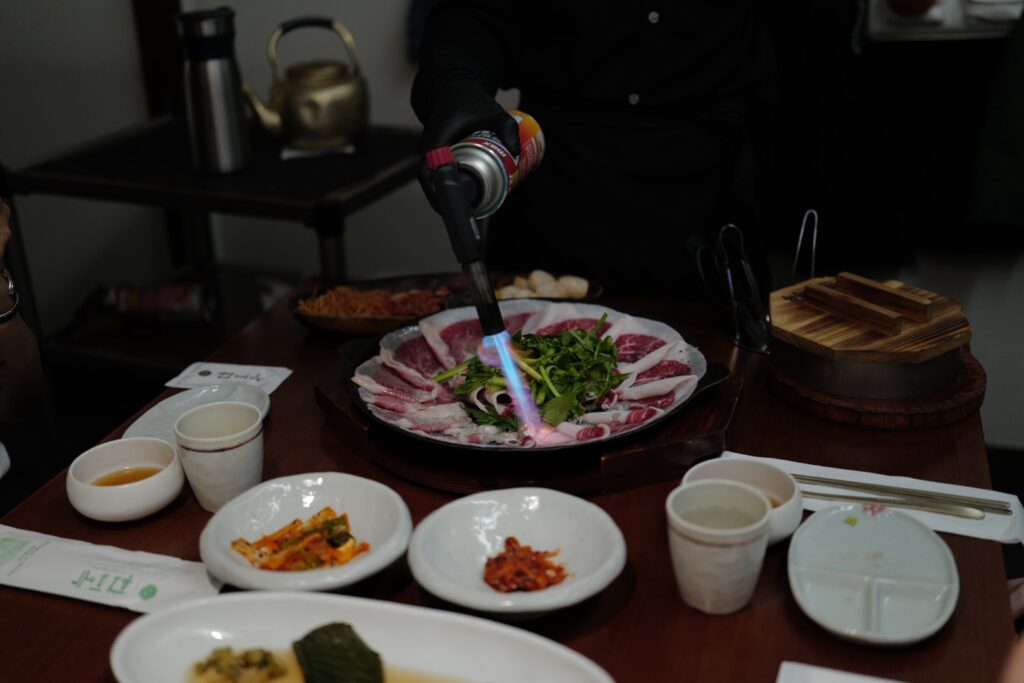
The most successful Korean brands create an atmosphere through:
- Interior design
- Music
- Packaging
- Social media
- Storytelling
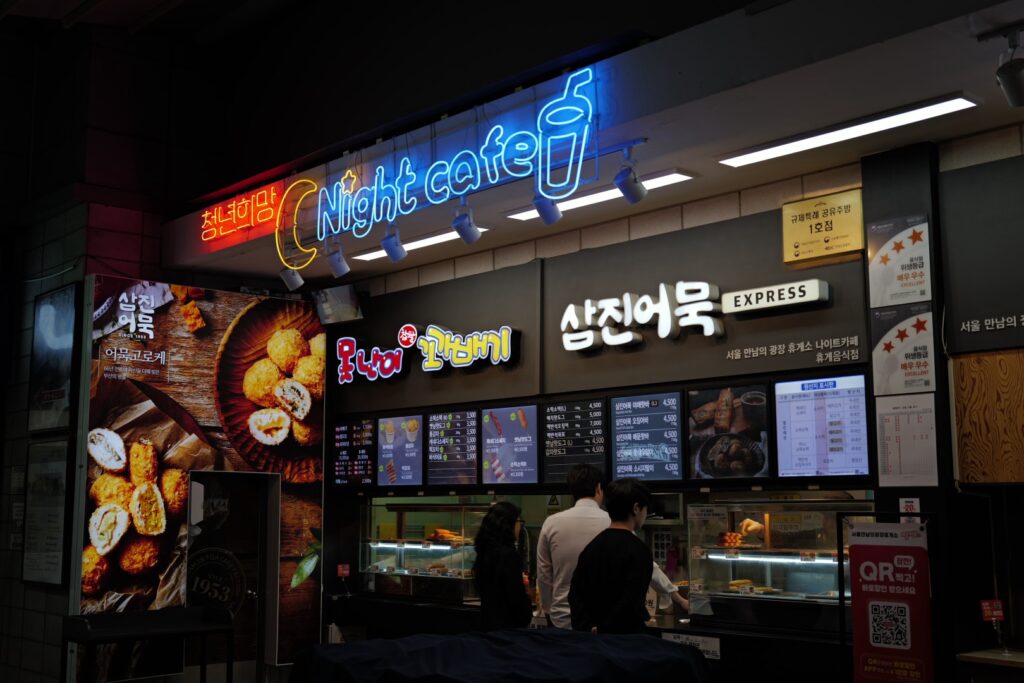
This is why modern Korean street food brands continue expanding across the UK, while concepts such as Bunsik keep opening new locations in London and other major cities.
Financial Reality
Many people see busy restaurants and assume they make huge profits.
That’s rarely true.
A typical London restaurant faces increasing costs:
- Commercial rent
- Staff wages
- Utilities
- Business rates
- Delivery platform commissions
- Food inflation
A restaurant generating £120,000–£150,000 per month may still only achieve a 10–15% net profit margin after all operating expenses.
This is why operational efficiency matters far more than simply increasing sales
How I Would Build a Korean Restaurant Brand
If I were starting today, my roadmap would look like this.
Phase 1
Open one flagship location in Soho or Covent Garden.
The first store should build the brand rather than maximise profit.
Phase 2
Standardise everything.
Every sauce.
Every recipe.
Every cooking process.
Every staff training manual.
Phase 3
Build a central production kitchen.
Prepare sauces and ingredients centrally to ensure consistent quality while reducing labour costs.
Phase 4
Expand into London’s major districts.
- Waterloo
- Canary Wharf
- Kingston
- Wimbledon
- Westfield
Phase 5
Launch a franchise model across the UK.
Only after proving that every location can deliver consistent quality.
My Final Thoughts
London’s Korean food industry is still growing.
The opportunity is no longer in simply opening another Korean restaurant.
The opportunity is creating a recognisable lifestyle brand that people remember, photograph and recommend.
The next generation of successful Korean food businesses won’t just sell chicken or bibimbap.
They will sell a modern Korean experience
Final Verdict
Market Potential: ★★★★★
Growth Opportunity: ★★★★★
Competition: ★★★☆☆
Franchise Potential: ★★★★★
Investment Risk: ★★★☆☆
For entrepreneurs looking at London’s food industry in 2026, I believe Korean fast-casual dining remains one of the strongest long-term opportunities—provided the focus is on systems, branding and scalability rather than simply serving great food.