NVIDIA Is Hiring for Space AI Data Centres — Up to $430,000 Salary
The next AI revolution may not happen on Earth.
Artificial intelligence has already transformed data centres, cloud computing, robotics and autonomous vehicles. Now, NVIDIA is preparing for what could become the next frontier: space-based AI infrastructure.
According to a recent NVIDIA job posting, the company is recruiting a Principal System Software Architect for Space-1, a project focused on building orbital AI data centres capable of operating in space for years without human intervention.
The advertised base salary reaches $431,250 per year, with additional stock-based compensation on top. More importantly, the role reveals where NVIDIA believes the future of AI computing is heading.
What Is Space-1?
Space-1 is NVIDIA’s ambitious orbital data centre project built around its next-generation Vera Rubin AI platform.
Instead of processing AI workloads solely on Earth, future satellites could perform complex AI tasks directly in orbit.
Imagine:
● Earth observation analysed instantly from space
● Military and security systems responding in real time
● Disaster monitoring without waiting for ground stations
● Deep-space missions powered by onboard AI
● Global communications accelerated through orbital computing
The idea sounds futuristic today, but so did cloud computing twenty years ago.
Building a Data Centre That Can Survive Space
Unlike terrestrial servers, orbital computers must survive conditions few technologies ever experience.
The successful candidate will help develop software capable of handling:
● Extreme radiation
● Violent temperature swings
● Long eclipse periods with limited power
● Remote operation without physical maintenance
● Autonomous recovery from unexpected failures
According to NVIDIA’s requirements, the system is expected to operate for at least five years while surviving up to 8,000 thermal cycles in sun-synchronous orbit.
This isn’t simply server engineering.
It’s aerospace engineering combined with artificial intelligence.
Why This Matters to Investors
Many investors still think of NVIDIA as a GPU manufacturer.
That view is becoming increasingly outdated.
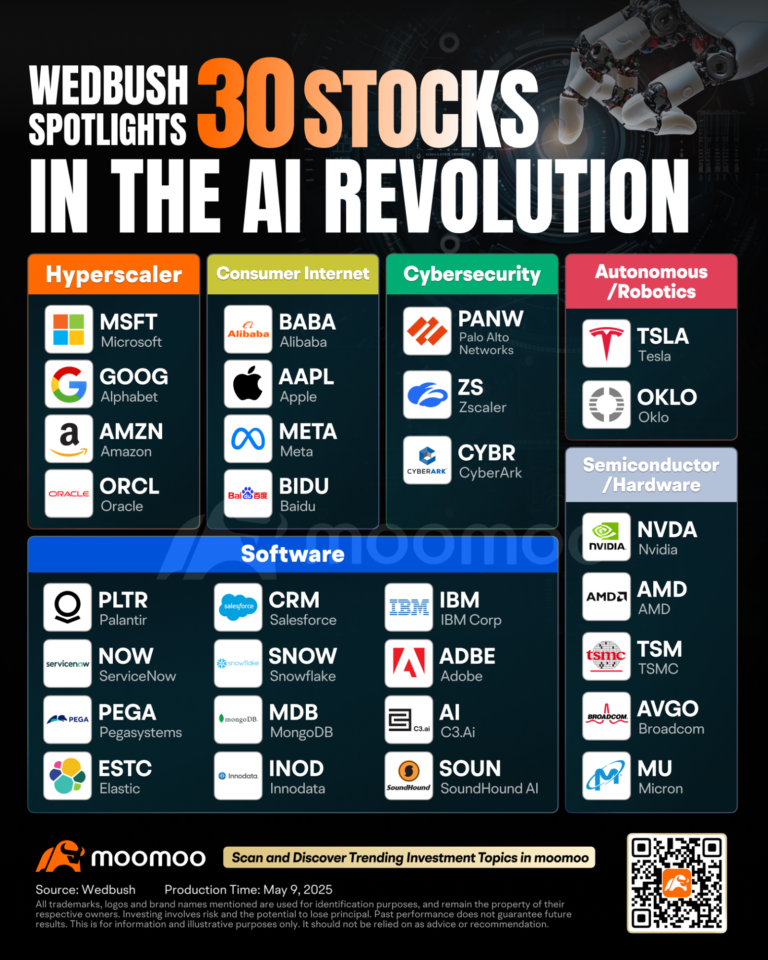
The company is quietly expanding into:
● AI infrastructure
● Robotics
● Autonomous driving
● Industrial digital twins
● Humanoid robots
● Healthcare AI
● Sovereign AI
● Space computing
Every new computing platform creates demand for more processing power.
If orbital data centres become commercially viable during the next decade, they could generate an entirely new market for AI hardware, networking and software.
The long-term opportunity extends well beyond graphics cards.
The Bigger Picture
History often repeats itself.
The internet connected computers.
Cloud computing connected servers.
Artificial intelligence connected machines.
The next stage may connect space.
Companies including private satellite operators and governments are investing billions into low-Earth orbit infrastructure. Processing information directly in space could dramatically reduce latency while allowing enormous amounts of data to be analysed before transmission back to Earth.
NVIDIA appears determined to be at the centre of that future.
Mason’s Perspective
As a long-term investor, I don’t see this job posting as just another recruitment announcement.
I see it as a glimpse into NVIDIA’s roadmap.
Exceptional companies rarely reveal their future products through press conferences first.
Sometimes they reveal them through the people they’re trying to hire.
Five years ago, few investors imagined AI chips would become one of the world’s most valuable technologies.
Today, NVIDIA is already preparing for what comes after terrestrial AI infrastructure.
The question isn’t whether space computing will arrive.
The real question is who will dominate it when it does.
Final Thoughts
Space AI may still sound like science fiction, but many transformative technologies once did.
Watching where NVIDIA invests its engineering talent may prove more valuable than watching its daily share price.
For long-term investors, recruitment announcements like this often provide an early signal of where the next decade of innovation could unfold.
Sometimes the future isn’t hidden in earnings reports. It’s hidden in the hiring page.