The AI Portfolio I’m Holding for the Next Decade
The AI revolution is still in its early stages. Just as the internet reshaped the global economy in the 2000s, artificial intelligence is beginning to transform every industry. Rather than chasing short-term market swings, my focus is on companies that could still be industry leaders ten years from now.
Here’s why each business has earned a place in my long-term portfolio.
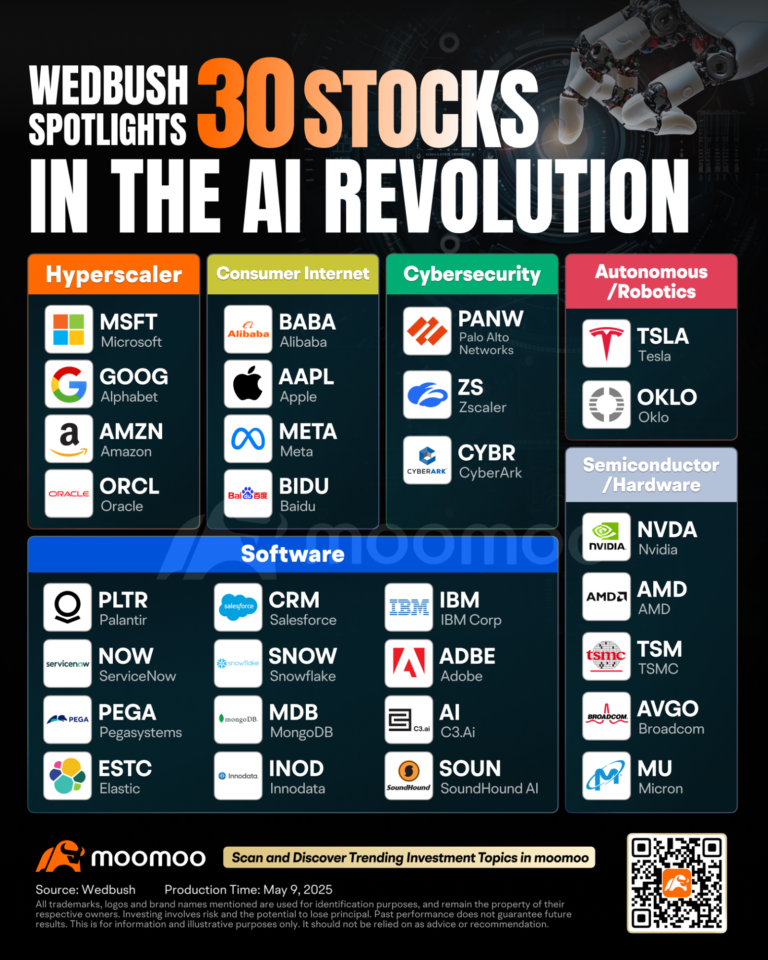
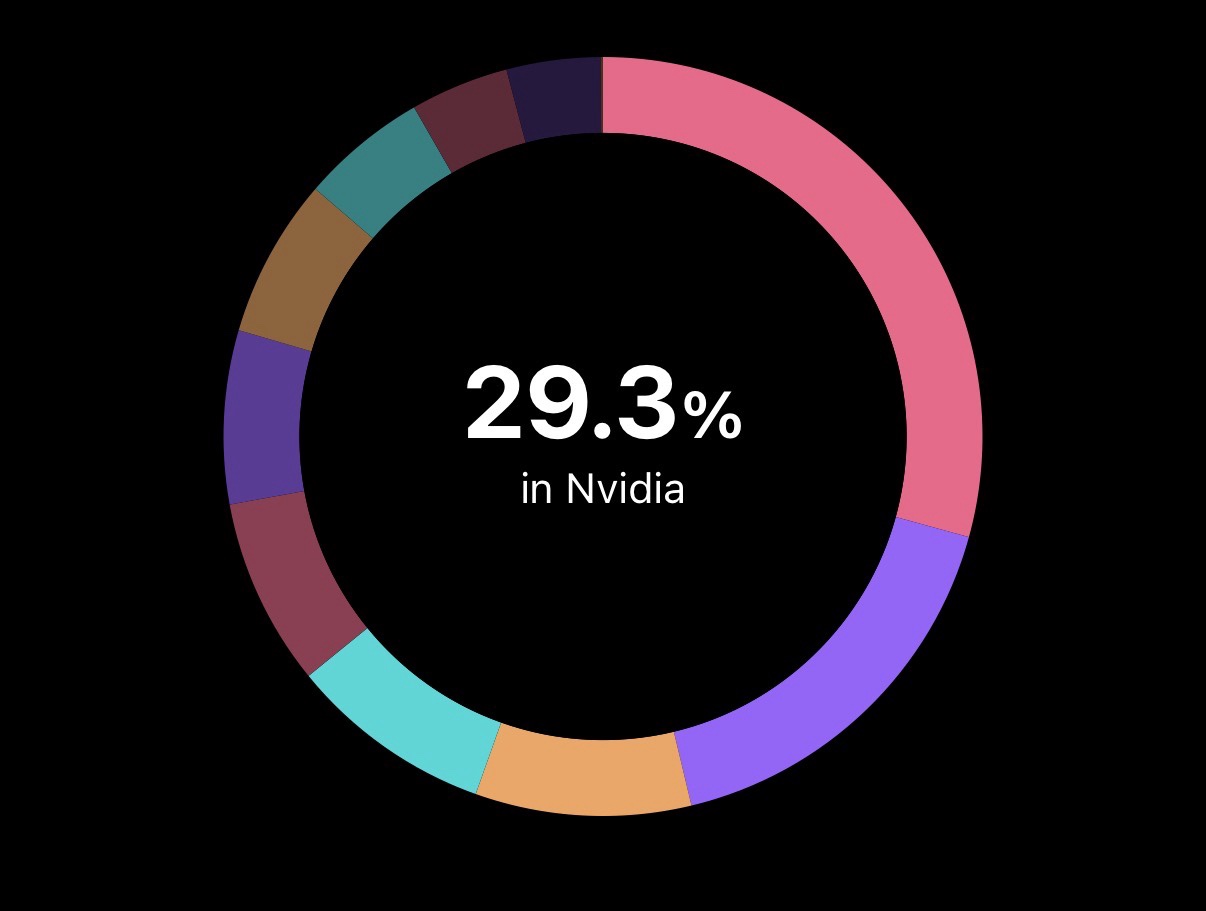
NVIDIA
Strengths: The undisputed leader in AI GPUs, with a dominant software ecosystem through CUDA and expanding opportunities in robotics, autonomous vehicles and AI infrastructure.
Risk: High expectations mean any slowdown in growth could lead to sharp volatility.
10-Year View: ★★★★★
Still one of the strongest long-term AI investments available.
AMD
Strengths: Rapidly closing the gap with NVIDIA in AI accelerators while continuing to gain market share in CPUs for data centres and PCs.
Risk: Faces intense competition and execution remains critical.
10-Year View: ★★★★★
A compelling long-term growth company with significant upside if AI adoption continues.
Alphabet
Strengths: Search, YouTube, Cloud and Gemini AI create multiple engines of long-term growth, supported by enormous cash generation.
Risk: Regulatory scrutiny and the evolution of search behaviour.
10-Year View: ★★★★★
A resilient technology giant with AI deeply embedded across its ecosystem.
Meta
Strengths: AI-powered advertising, massive user base, open-source Llama models and long-term investment in wearable computing.
Risk: Heavy AI spending and uncertainty around the metaverse.
10-Year View: ★★★★★
One of the most profitable AI platforms globally.
Broadcom
Strengths: Custom AI chips, networking hardware and infrastructure software position the company at the centre of AI data centres.
Risk: Premium valuation and reliance on enterprise spending.
10-Year View: ★★★★★
A major beneficiary of enterprise AI expansion.
Astera Labs
Strengths: High-speed connectivity solutions essential for next-generation AI servers.
Risk: Smaller company with higher volatility than large-cap peers.
10-Year View: ★★★★☆
Potentially one of the biggest winners if AI infrastructure spending accelerates.
Marvell Technology
Strengths: Networking, optical connectivity and custom silicon for hyperscale AI infrastructure.
Risk: Cyclical semiconductor demand.
10-Year View: ★★★★☆
Well positioned to benefit from the continued build-out of AI data centres.
Micron Technology
Strengths: HBM memory is becoming a critical component of AI servers.
Risk: Memory remains one of the most cyclical areas of semiconductors.
10-Year View: ★★★★☆
Strong long-term demand, although investors should expect periods of volatility.
Palantir
Strengths: AI software platform with growing adoption across governments and enterprises.
Risk: Premium valuation leaves little room for disappointment.
10-Year View: ★★★★☆
A unique software business that could become one of the defining enterprise AI companies.
Bloom Energy
Strengths: Rising electricity demand from AI data centres increases the need for reliable on-site power generation.
Risk: Execution, profitability and policy support remain important.
10-Year View: ★★★★☆
A high-risk, high-reward investment linked to the future of AI infrastructure.
ServiceNow
Strengths: Enterprise workflow automation enhanced by generative AI.
Risk: Valuation and slower enterprise IT spending.
10-Year View: ★★★★★
Likely to remain a core enterprise software leader.
SpaceX
Strengths: Global satellite internet, reusable rockets and one of the strongest competitive advantages in the space industry.
Risk: Private market valuation and execution risks in ambitious projects.
10-Year View: ★★★★★
If current momentum continues, SpaceX could become one of the world’s most valuable companies.
Final Thoughts
Rather than trying to predict which stock will perform best next quarter, I prefer owning businesses that are building the foundations of the next technological era.
Artificial intelligence, cloud computing, semiconductor infrastructure, enterprise software and space technology are all likely to remain major investment themes throughout the next decade.
No portfolio is without risk, but if these companies continue to innovate and execute, they have the potential to create substantial long-term value for patient investors.