AP x Swatch Royal Pop: One Month Later
16 May 2026.
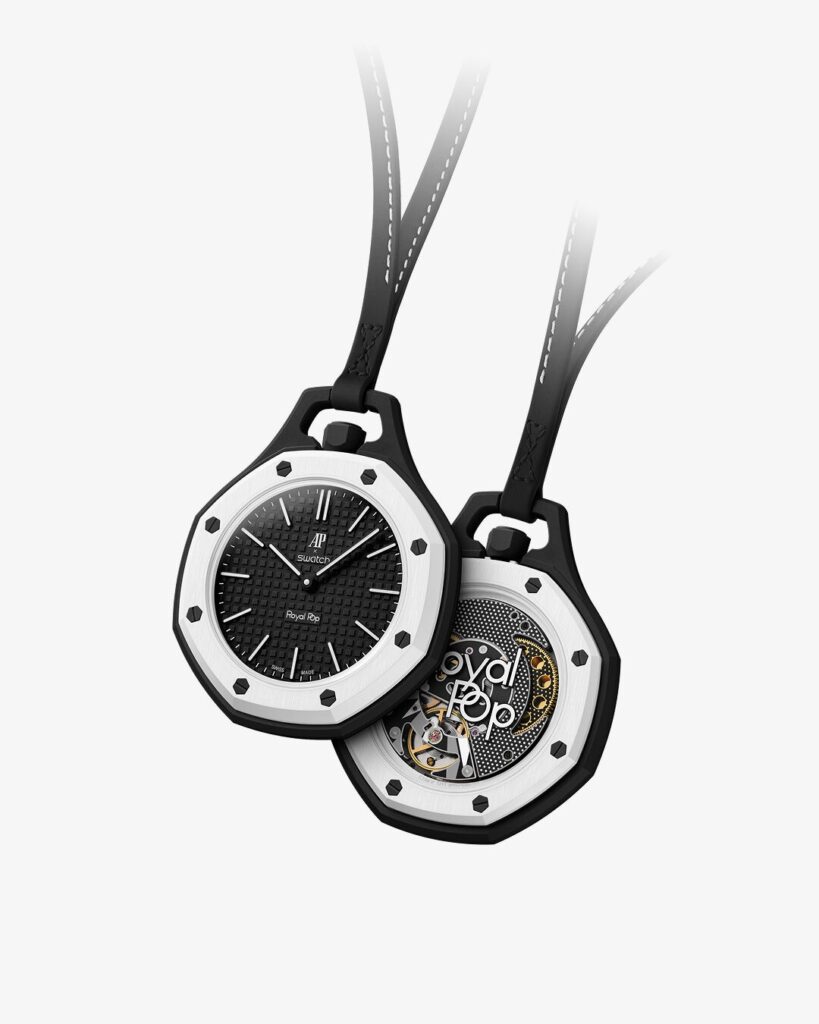
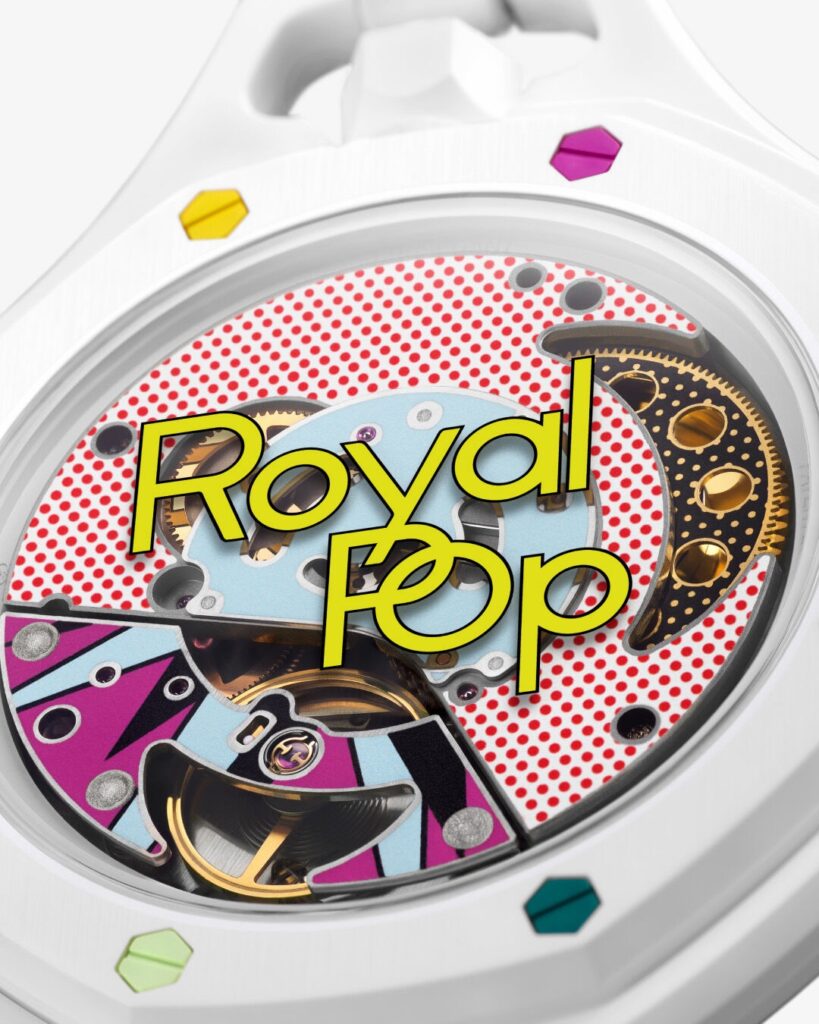
One of the most talked-about collaborations in modern Swiss watchmaking, the Audemars Piguet × Swatch Royal Pop, was finally released.
What should have been a celebration of watchmaking quickly turned into one of the most chaotic launches the industry has seen in years.
Across the UK, particularly in London and several other major cities, hundreds of people queued overnight. The crowds were far larger than expected, forcing some Swatch boutiques to suspend sales or remain closed altogether. Police were called to several locations as safety concerns escalated.
Watching the news that day, I found myself asking one simple question.
How many of those people genuinely cared about Audemars Piguet?
In my opinion, not many.
Most weren’t there because they admired AP’s history, craftsmanship or the legacy of the Royal Oak.
They were there because they believed they could make quick money.
For many, the calculation was simple:
“Buy one today and make £1,000 tomorrow.”
That expectation alone was enough for hundreds of people to queue through the night.
Immediately after launch, some Royal Pop models appeared on eBay with asking prices between £2,000 and £5,000.
But markets always find their balance.
Just one month later, some models are now changing hands for around £500.
That perfectly demonstrates the difference between hype and real long-term value.
From a marketing perspective, there is no denying the collaboration was a success.
Swatch generated worldwide attention.
Millions of people who had never heard of Audemars Piguet were suddenly talking about the brand.
AP has also said that its share of the proceeds from the collaboration will help support the training of future watchmakers and preserve traditional Swiss watchmaking craftsmanship.
From a business point of view, it was a clever strategy.
However, the collaboration also divided the existing AP community.
For many long-time Audemars Piguet enthusiasts, this wasn’t simply another watch launch-it was one of the most disappointing decisions the brand has made in recent years.
The Royal Oak has never been just another luxury watch.
Since its introduction in 1972, it has stood for history, craftsmanship, exclusivity and success.
Even if you have the money, buying one at retail is still incredibly difficult.
That rarity is part of what makes the Royal Oak so desirable.
Seeing one of the world’s most recognisable luxury watch designs-and the famous AP initials-appear on a Swatch costing only a few hundred pounds left many loyal collectors feeling that part of the brand’s exclusivity had been diluted.
Many collectors felt that decades of carefully built prestige had been used to create short-term global publicity.
Some may disagree.
Some will argue that collaborations are essential to introducing younger generations to traditional watchmaking.
And perhaps they’re right.
There will undoubtedly be people who buy a Swatch today and eventually aspire to own a genuine Royal Oak in the future.
But there is another reality.
Many of the people queuing outside Swatch stores had no intention of becoming Audemars Piguet collectors.
They simply wanted to flip the watch for a profit.
Once resale prices collapsed, so did much of the excitement.
As an AP collector myself, I can understand both sides.
The businessman in me admires the marketing.
The collector in me feels something priceless became just a little less special.
Fortunately, I don’t believe this collaboration has damaged the true Royal Oak.
The genuine Royal Oak is still one of the hardest luxury sports watches to obtain.
It still represents decades of innovation, exceptional craftsmanship and timeless design.
Hype comes and goes.
Resale prices rise and fall.
But true icons don’t lose their value because of a single collaboration.
That is why I still believe the Audemars Piguet Royal Oak remains one of the greatest luxury sports watches ever created.