The AI Infrastructure Map: 6 Layers Every Long-Term Investor Should Understand
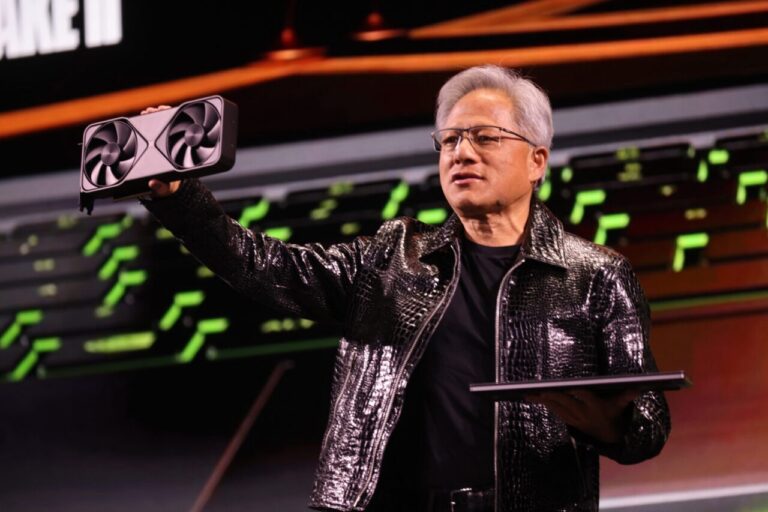
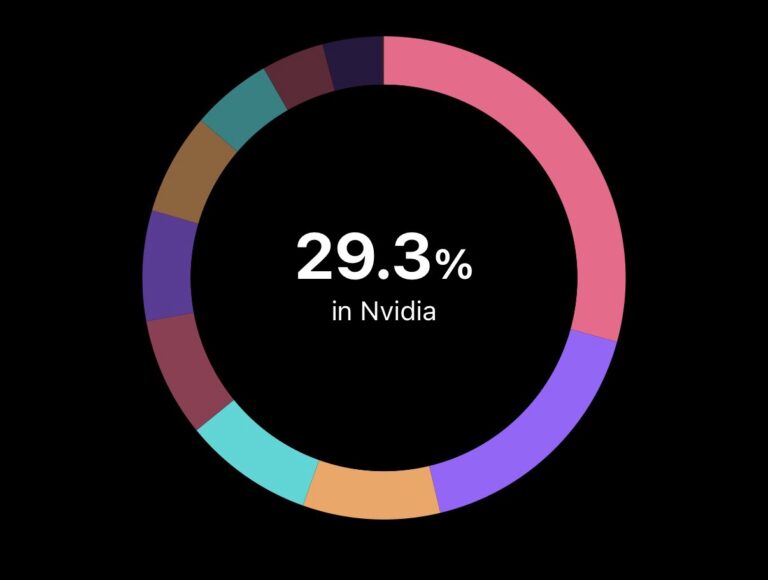
Most investors focus on Nvidia.
Professional investors study the entire ecosystem.
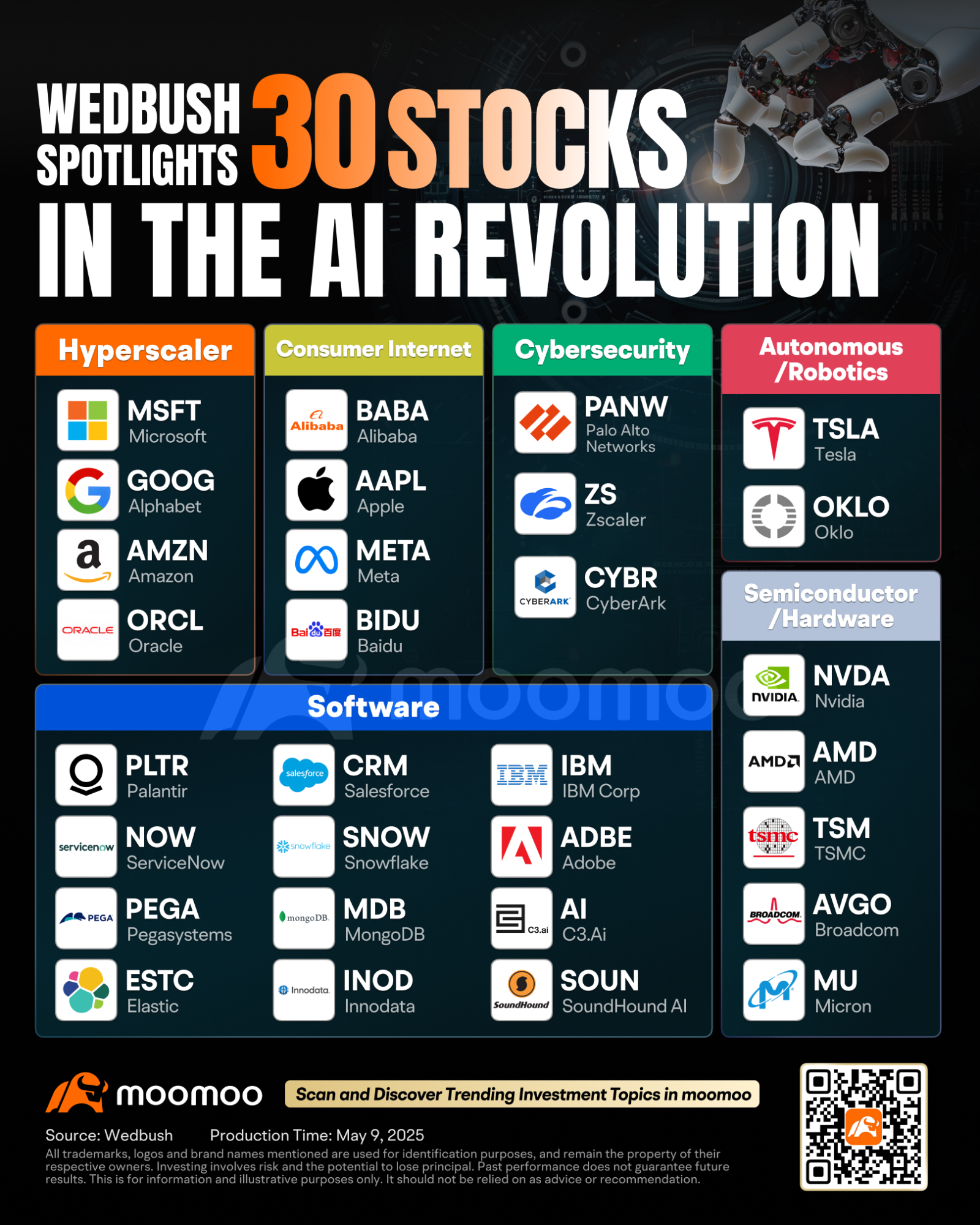
Artificial Intelligence isn’t powered by a single company. It’s supported by an interconnected supply chain spanning semiconductor manufacturing, networking, cloud infrastructure, and energy.
If one layer slows down, the entire AI industry feels the impact.
This is the AI infrastructure map every serious investor should understand.
Layer 1: Manufacturing Enablers
Without these companies, AI chips simply cannot exist.
Before Nvidia, AMD or Broadcom can ship a single AI accelerator, manufacturers need the world’s most advanced semiconductor equipment.
Key players include:
- TSMC
- ASML
- Applied Materials
- Lam Research
- KLA
These companies provide the lithography machines, wafer fabrication tools, inspection systems and manufacturing equipment that power the global semiconductor industry.
Mason Journal View
Manufacturing equipment companies rarely receive the same attention as AI chip designers, yet they often benefit regardless of which chip company wins.
Think of them as selling the “picks and shovels” during a modern AI gold rush.
Layer 2: AI Compute
This is where investors usually begin.
Companies competing for AI computing demand include:
- Nvidia
- AMD
- Broadcom
- Intel
Nvidia currently dominates AI GPU acceleration, but hyperscale cloud providers continue diversifying suppliers to reduce dependence on a single vendor.
Competition will likely increase over the next decade.
Mason Journal View
The AI market is becoming larger than Nvidia alone.
Owning exposure across multiple semiconductor leaders may prove more resilient than betting on a single winner.
Layer 3: Memory
AI models require enormous amounts of memory bandwidth.
HBM (High Bandwidth Memory) has become one of the most valuable technologies in modern computing.
Industry leaders include:
- SK Hynix
- Micron Technology
- Samsung Electronics
Without advanced memory, even the fastest GPU cannot operate efficiently.
Why HBM Matters
Large language models process trillions of parameters.
That requires moving huge amounts of data every second, making memory one of the biggest bottlenecks in AI infrastructure.
Layer 4: Networking & Optical Infrastructure
GPUs are only valuable if they can communicate with each other at extremely high speeds.
This has created enormous demand for networking hardware and optical communication.
Major companies include:
- Marvell Technology
- Arista Networks
- Coherent
- Lumentum
As AI clusters continue expanding, networking has become just as critical as computing itself.
Mason Journal View
Many investors underestimate networking.
However, AI supercomputers cannot scale efficiently without faster interconnects.
Networking could become one of the biggest long-term beneficiaries of AI.
Layer 5: Cloud Infrastructure
Training frontier AI models requires massive data centers.
Demand for GPU capacity continues exceeding supply.
Emerging infrastructure providers include:
- CoreWeave
- Nebius
- IREN
- Applied Digital
These companies build and operate AI-focused infrastructure for customers that cannot purchase enough GPUs directly.
The Opportunity
Cloud infrastructure may become one of the fastest-growing segments of the AI economy over the next decade.
Layer 6: Energy
Every AI data center consumes enormous amounts of electricity.
As AI adoption accelerates, electricity is becoming a strategic asset.
Leading companies include:
- Constellation Energy
- Vistra
- NextEra Energy
- GE Vernova
Electricity generation, grid modernization and energy infrastructure are becoming essential parts of the AI investment story.
Mason Journal View
AI is no longer just a software revolution.
It is becoming an energy revolution.
Power availability may determine where the next generation of AI data centers can even be built.
The Biggest Investment Mistake
Many investors believe buying Nvidia alone provides complete AI exposure.
It doesn’t.
The AI economy consists of multiple layers, each solving a different problem:
- Manufacturing equipment
- Semiconductor design
- Advanced memory
- High-speed networking
- Cloud infrastructure
- Energy generation
Long-term wealth may be created across all six—not just by one company.
Mason Journal’s Perspective
The greatest investment opportunities often emerge before the market fully understands the ecosystem.
Twenty years ago, the internet created winners in chips, networking, cloud computing and e-commerce.
Artificial Intelligence is following a similar pattern.
Rather than asking “Which AI stock should I buy?”, investors may achieve better long-term results by asking:
“Which layer of AI infrastructure is still undervalued?”
That question could prove far more valuable over the next decade.
Related Articles
- Why AMD Could Be the Biggest AI Challenger This Decade
- Bloom Energy: The Hidden Power Behind AI Data Centers
- Marvell vs Broadcom: Who Wins the AI Networking Race?
- The Future of AI Infrastructure Investing
Disclaimer: This article is for informational and educational purposes only and should not be considered financial advice. Investors should conduct their own research before making investment decisions.